A Day in the Life of an MRI Technologist
Most people outside of healthcare have no idea what an MRI tech actually does all day. They know you work with that big loud machine and that you tell patients to hold still. But the job is a lot more than that. Here is what a typical day actually looks like.
Before the First Scan
Most MRI techs arrive before their first patient. You check the schedule, review any special cases, make sure your coils are clean and in the right place, and confirm your scanner is running properly. If you are taking over from a night tech, you get a quick handoff on anything you need to know. This part of the day sets the tone for everything that follows.
Screening Every Patient
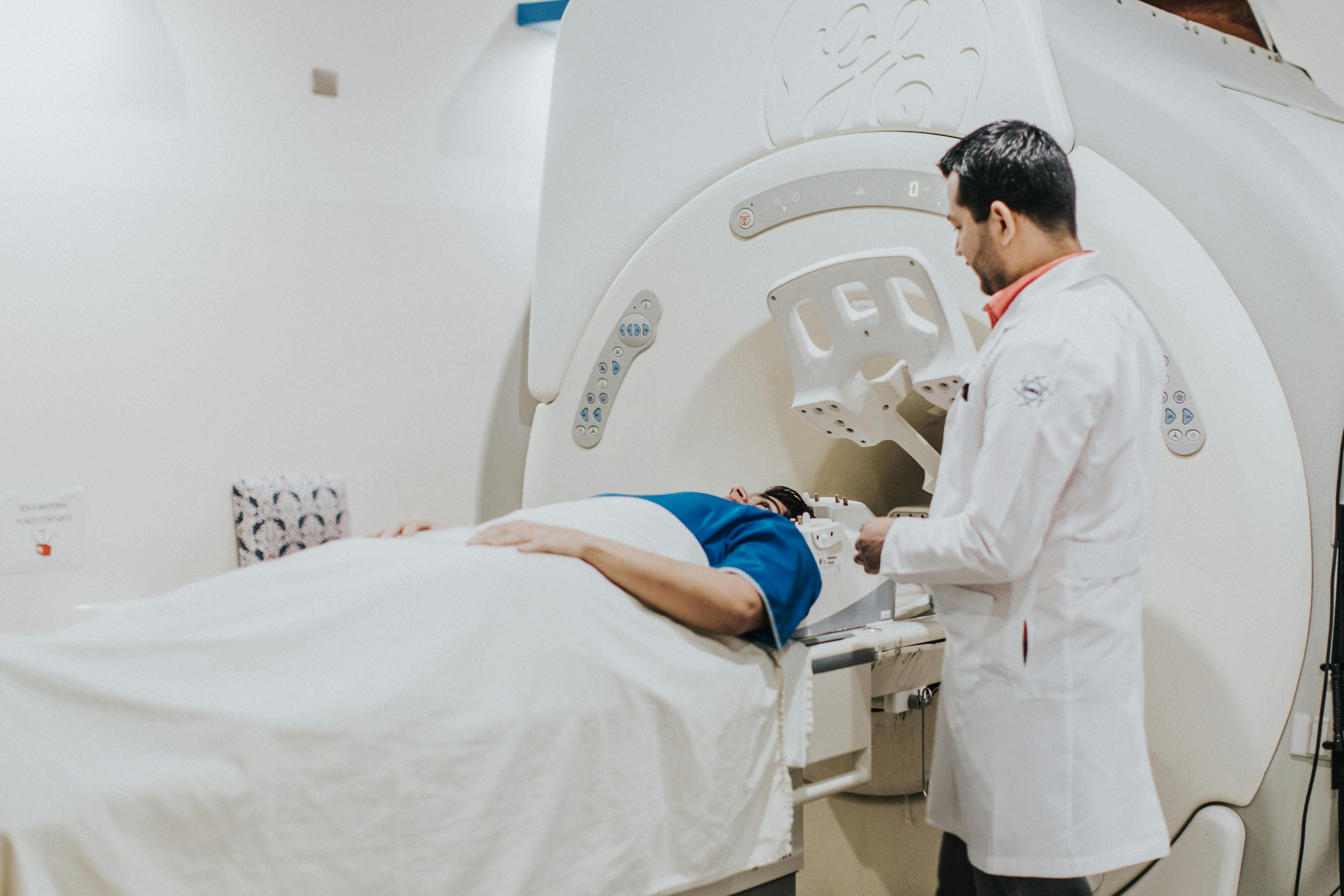
Before anyone goes near the magnet, they get screened. Every single patient, every single time. You review their paperwork, ask about implants, pacemakers, metal fragments, and anything else that could be a safety issue. You double check. You ask again if something seems off. MRI safety screening is not a formality. It is one of the most important things you do all day and it never gets treated as routine.
Running the Scans
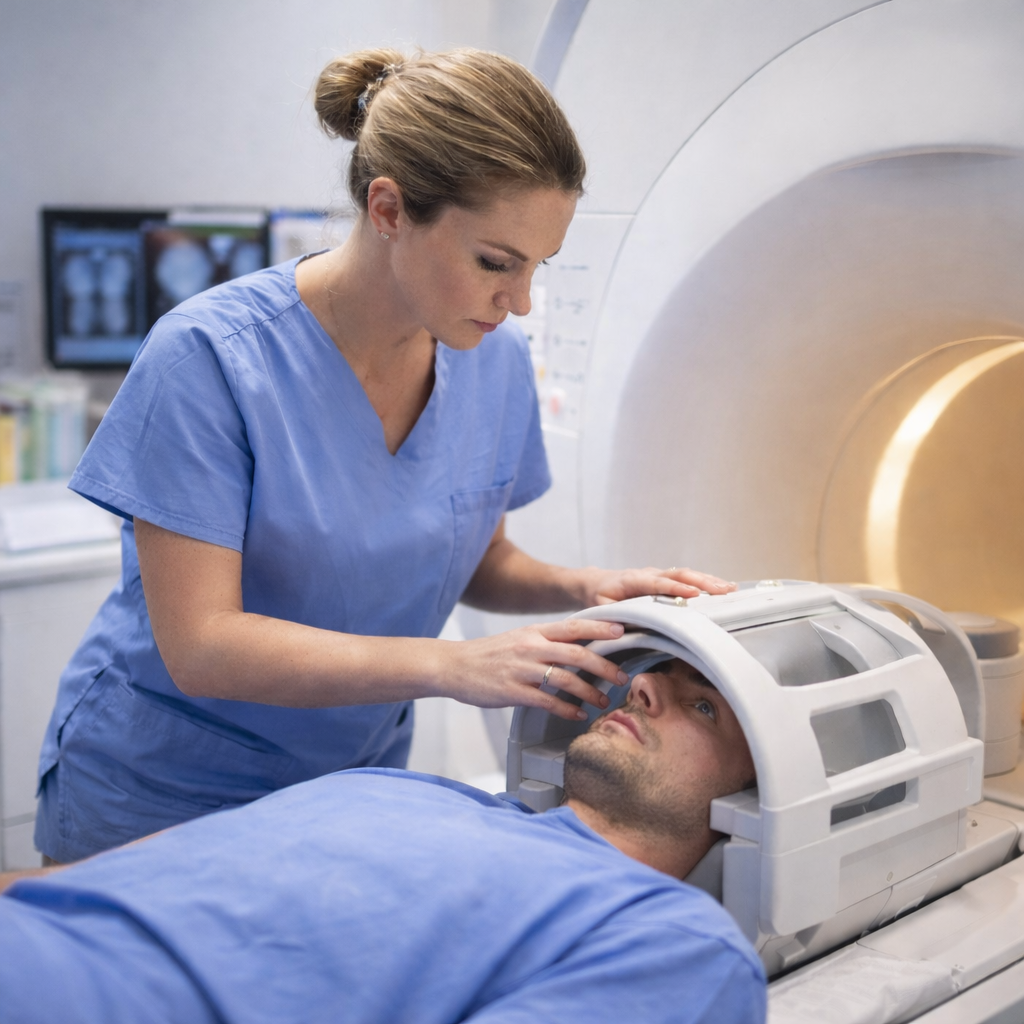
Once a patient is cleared and positioned, you run the protocol. Depending on the body part and the clinical question, a scan can take anywhere from 15 minutes to over an hour. You monitor the images as they come through, check for motion artifact, adjust parameters if needed, and make sure you are giving the radiologist everything they need to make a diagnosis. Some days everything runs smoothly. Other days you are troubleshooting image quality issues, managing a patient who cannot stay still, or waiting for IV access for a contrast injection.
Managing the Schedule
MRI is one of the slower imaging modalities in the department. Scans take time and the schedule can back up fast. Add an emergency add-on, a patient who arrives late, or a scan that takes longer than expected, and you are suddenly running 45 minutes behind. Managing your schedule, communicating with the front desk, and keeping patients informed when there are delays is a real part of the job.
Patient Interaction
You spend a lot of time with your patients. More than most other imaging techs. You are with them before the scan explaining what to expect, during the scan checking in through the intercom, and after the scan answering any questions they have. A lot of patients are anxious, in pain, or scared. Being calm, clear, and reassuring is part of what makes a good MRI tech.
Contrast and Emergencies
Not every scan involves contrast, but when it does you are monitoring the patient for reactions, documenting the injection, and following your facility protocol. You also need to be ready for emergencies. A patient who starts feeling unwell in the scanner, a code that gets called nearby, or a safety incident in the MRI suite. You hope these days are rare. You prepare for them anyway.
End of Shift
You clean your coils, wipe down your table, restock your supplies, and make sure the next tech is set up for a smooth start. You document anything that needs to be handed off. And then you go home, usually tired, sometimes frustrated, often satisfied that you did something that actually mattered today.
The Reality
No two days are exactly the same. The patients are different, the cases are different, and the challenges are different. That unpredictability is part of what makes the job interesting. If you like working with people, solving problems on the fly, and being part of something that directly impacts patient care, MRI tech is a career worth showing up for every day.
Written by Pass MR