Is MRI Tech a Good Career?
If you are thinking about becoming an MRI technologist or you are already in school and wondering if you made the right choice, the short answer is yes. MRI technology is one of the more stable and rewarding careers in healthcare. Here is a closer look at why.
The Demand Is Not Going Away
MRI is one of the most valuable diagnostic tools in medicine. Hospitals, outpatient imaging centers, orthopedic clinics, cancer centers, and private practices all need MRI techs. As the population ages and the demand for advanced imaging grows, the need for qualified MRI technologists continues to increase. The Bureau of Labor Statistics projects steady growth in radiologic and MRI tech jobs over the next decade.
The Pay Is Solid
MRI technologists earn a competitive salary compared to many other healthcare roles that require a similar level of education. The national average salary for an MRI tech in the United States is around $80,000 to $95,000 per year, with experienced techs in high-demand markets earning well above that. Travel MRI techs can earn significantly more, often with housing stipends and other benefits on top of their base pay.
You Do Not Need a Four-Year Degree
One of the biggest advantages of this career is that most MRI techs enter the field through an associate degree or certificate program, often after first completing a radiologic technology program. You can be working as a registered MRI tech in as little as two to three years of school. The return on that investment is strong compared to careers that require four or more years of education.
The Work Is Meaningful
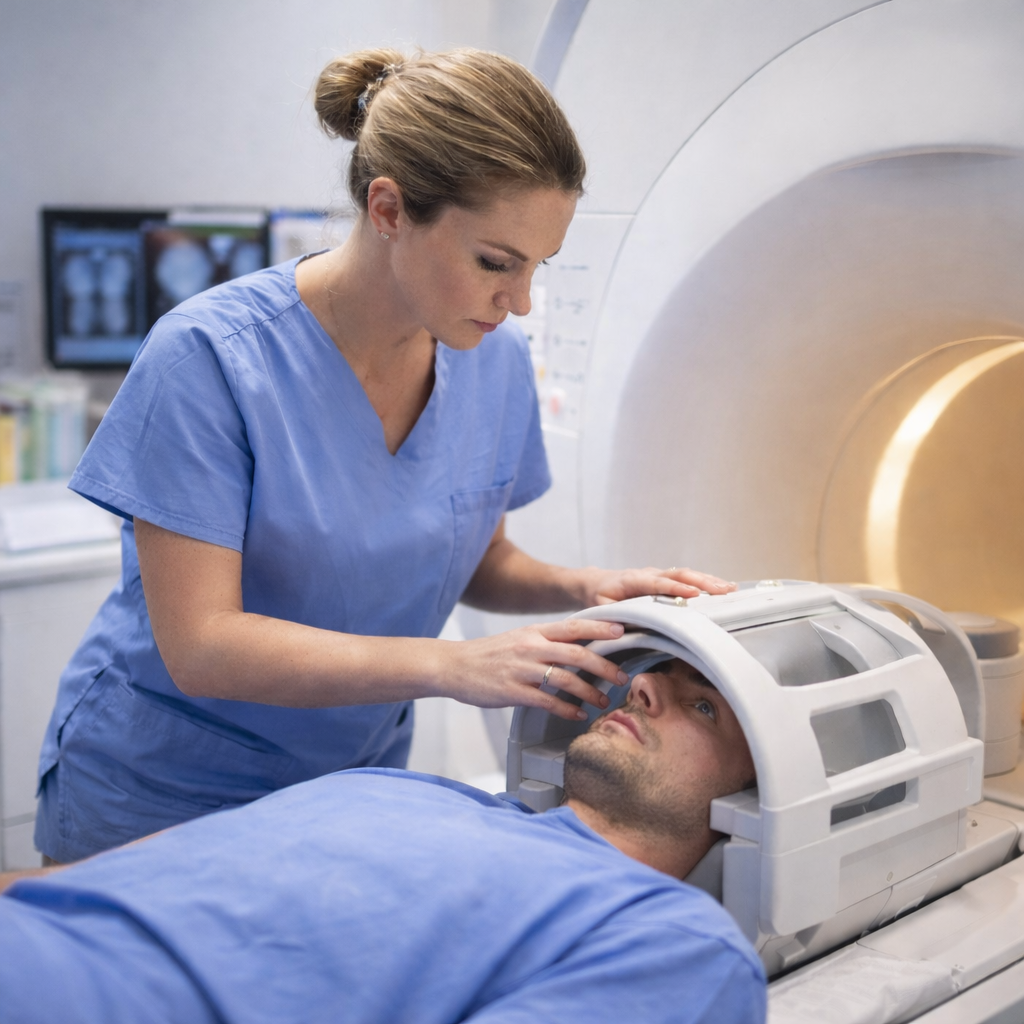
MRI techs play a direct role in patient care. The images you produce help doctors diagnose strokes, tumors, torn ligaments, spinal cord injuries, and dozens of other conditions. You are not just running a machine. You are gathering information that changes the course of someone's treatment. That matters, and most techs will tell you that is what keeps them in the field.
There Is Room to Grow
Starting out as an MRI tech does not mean you are stuck in one place. You can specialize in areas like cardiac MRI, neuroimaging, or MRI-guided procedures. You can move into leadership roles, become a lead tech, a supervisor, or a department manager. Some techs go into sales, applications training, or education. The credential opens more doors than most people realize when they are first starting out.
It Is Not Without Challenges
No career is perfect. MRI techs deal with physically demanding work, including positioning patients and working long shifts on their feet. The job can be mentally taxing when you are managing difficult patients, running behind on a busy schedule, or dealing with emergency cases. Keeping up with CE requirements and staying current with technology takes ongoing effort.
But for most techs, the stability, the pay, the meaningful work, and the flexibility of the career far outweigh the challenges.
The Bottom Line
If you are looking for a healthcare career that pays well, offers job security, does not require a decade of schooling, and puts you in a position to make a real difference in patients lives, MRI technology checks all the boxes. In 2026 and beyond, it remains one of the smarter choices you can make in healthcare.
Written by Pass MRI